
Things to do
Il Molinaccio is ideally situated near iconic Tuscan cities and villages as well as numerous wineries, castles, and olive groves. Depending on the time of year there are festivals, events, and markets.
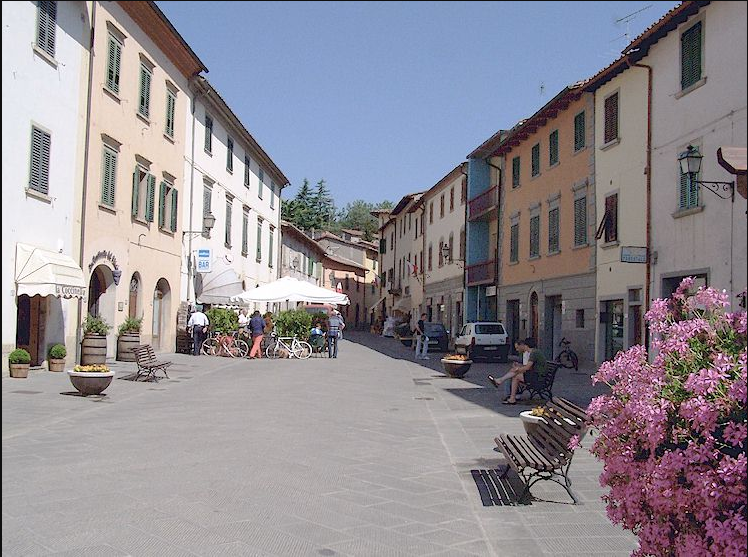


Gaiole in Chianti – The history of Gaiole in Chianti, population 2,500, is closely linked to its location on the road leading from the Chianti area to the upper Arno Valley. Thanks to its position it became a place of exchange for the nearby castles and in 1215 was first recorded as a market town. Due to its increased importance in the fourteenth century, it became the capital town of all the villages of the Lega del Chianti, a military league concerned with the defense of Florence. The countryside around Gaiole is dotted with many castles due to the strong influence of the Firidolfi family, from whom the Ricasolis descend, and later, by the Florentine Republic’s need for defensive positions. Some of the ancient castles and defensive towers have been transformed into villas, others into wineries. After the second world war the town was hit by the depopulation of rural areas but starting in the seventies the former farmhouses have been progressively restored and today, they are home to many homes, wineries, and vacation villas. Currently food, wine, and bicycle tourism constitutes the main source of economic activity for the town.
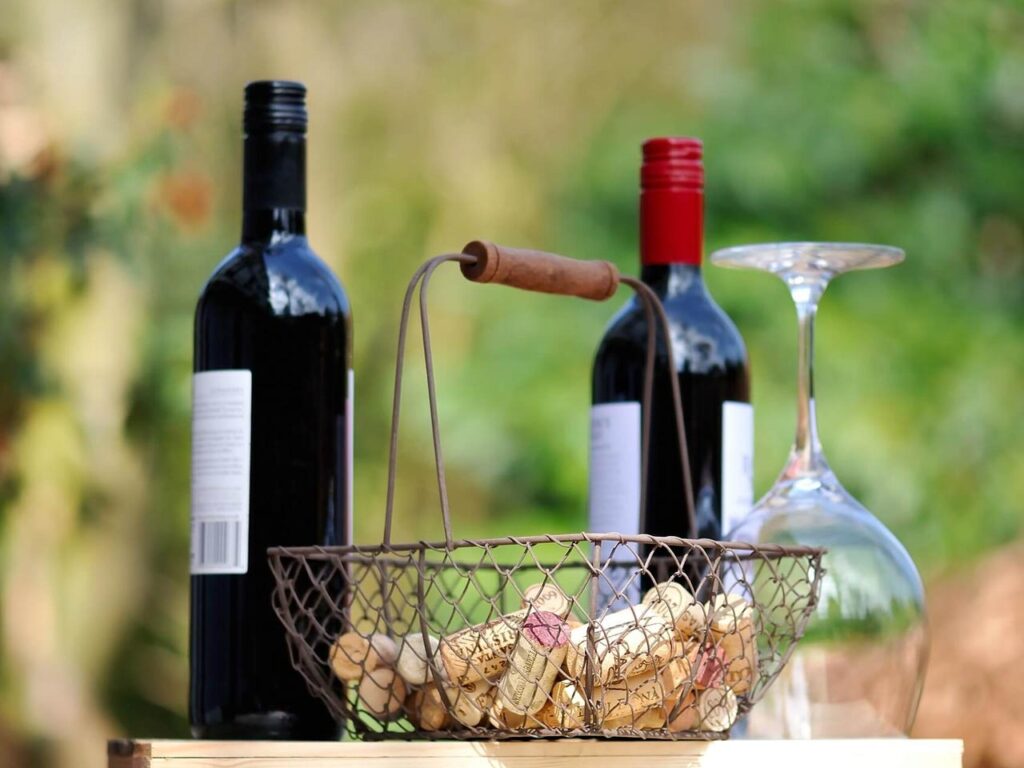
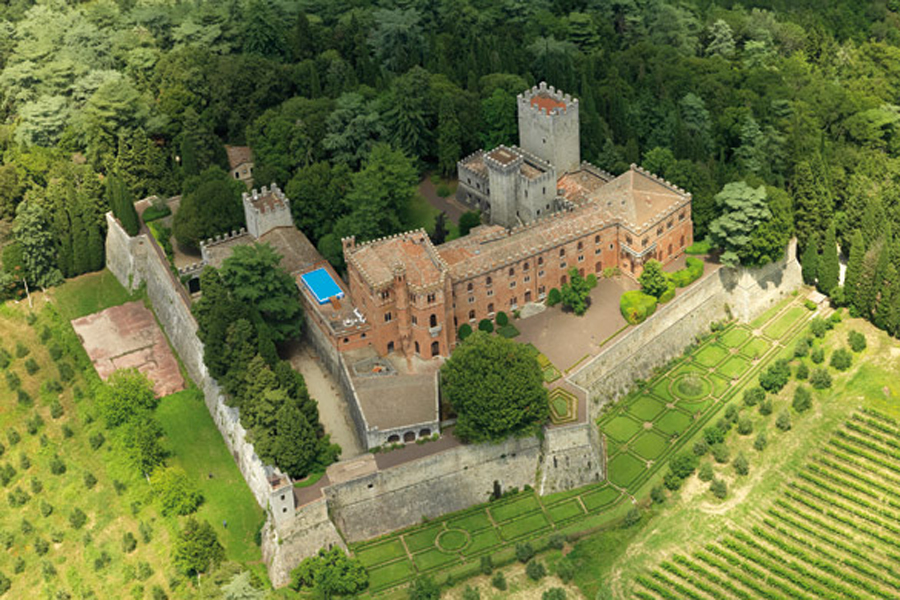
Wine Tasting – Il Molinaccio is surrounded by wineries most of which have tasting rooms and tours. One of the closest is Castello Meleto. Their wineries are all around us with some just a 5-minute walk away. Castle Brolio is also a winery about 10 minutes away, and Villa Antinori, the most storied winery in the region, is about 45 minutes by car through an incredibly scenic route. For any wine aficionados, a tour of this winery is not to be missed. For a special treat, why not host a private wine tasting at the villa with wines tailored to your taste. Ask us how!
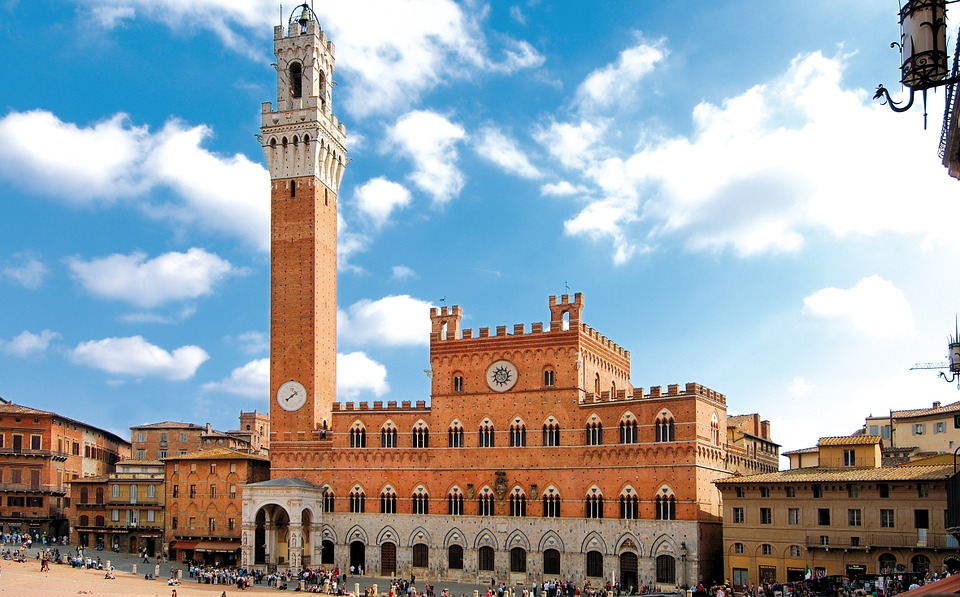
Siena – Siena, the capital of the province by the same name, is universally known for its medieval cityscapes and the famous Palio. In 1995, Siena’s historic centre was declared a World Heritage Site by UNESCO. The city is home to the Monte dei Paschi di Siena Bank, founded in 1472 and currently the oldest bank still in operation in the world. The Palio di Siena is an equestrian race of medieval origin between the 17 Contrade (districts) of Siena, which takes place twice a year – July 2 and August 16. Although it’s difficult to get a spot to view the race, if you go a day or two in advance of the Palio you may find it easier to see the preliminary races as they narrow down the 17 contenders to the final 10 that will run the Palio.
Florence – In the Middle Ages Florence was an important artistic, cultural, commercial, political, economic and financial centre – the birthplace of the Italian Renaissance. In the modern age it was the capital of the Grand Duchy of Tuscany from 1569 to 1859 which, ruled by the Medici and Lorraine families, became one of the richest and most modern city-states of Italy. The various political vicissitudes, the financial and mercantile power and the influences in every field of culture have made the city a fundamental crossroads of Italian and European history. In 1865 Florence was proclaimed capital of the Kingdom of Italy (second, after Turin), maintaining this status until 1871, the year that marked the end of the Risorgimento. It is an important university centre and UNESCO World Heritage Site since 1982.
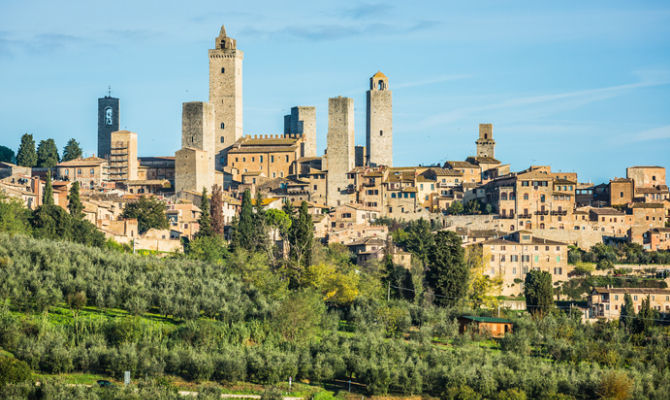
San Gimignano – San Gimignano is an ancient walled medieval town in the province of Siena, Tuscany, famous for its tower-houses. Due to this characteristic medieval architecture its historic centre, with its 14 remaining towers, was declared a UNESCO World Heritage Site in 1990. San Gimignano, despite some twentieth-century restorations, has retained its feudal atmosphere and appearance. It is also known as a medieval stopping point for catholic pilgrims on their way to or from Rome as it sits on the famous Via Francigena. The town is known for saffron and you can easily get saffron ice cream or saffron-infused ham, cheese, or pasta.
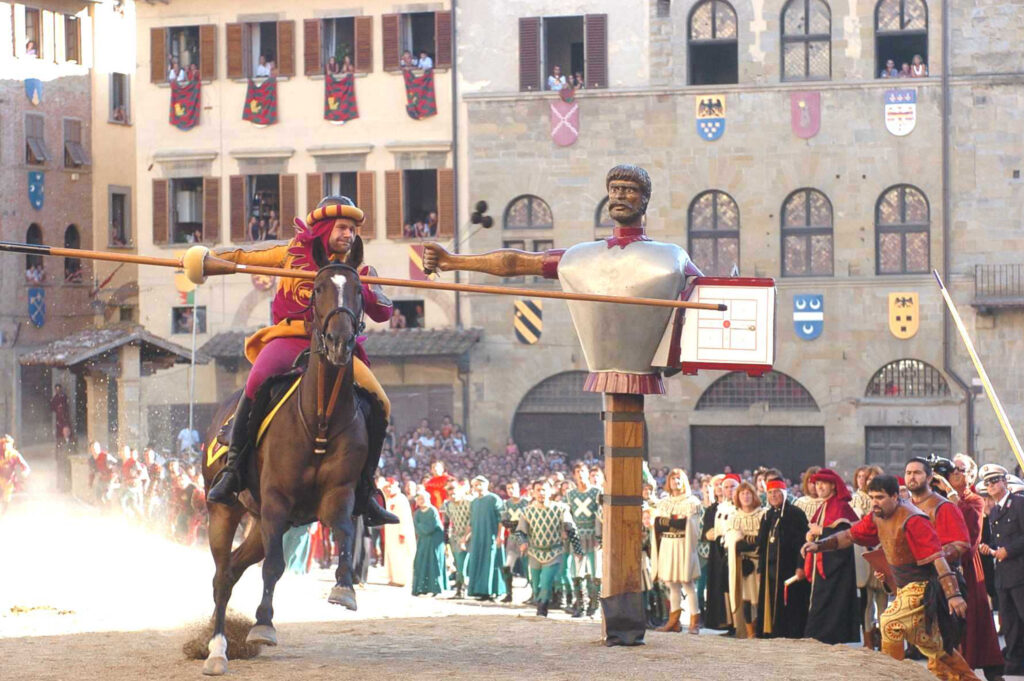
Arezzo – Arezzo, the capital of the province by the same name in eastern Tuscany, arose in pre-Etruscan times in an area that has been continuosly inhabited since prehistoric times. It is known worldwide as the City of the Saracino Joust (Giostra del Saracino) which takes place in August. It is also famous for its goldsmiths, birthplace of the poet and scholar Francesco Petrarca and the inventor of musical notation, Guido Monaco and it was the seat of the oldest university in Tuscany and one of the first in Europe. On the first Sunday of each month and the preceding Saturday, there is a huge antique market (Fiera Antiquaria di Arezzo). The market takes place year-round.
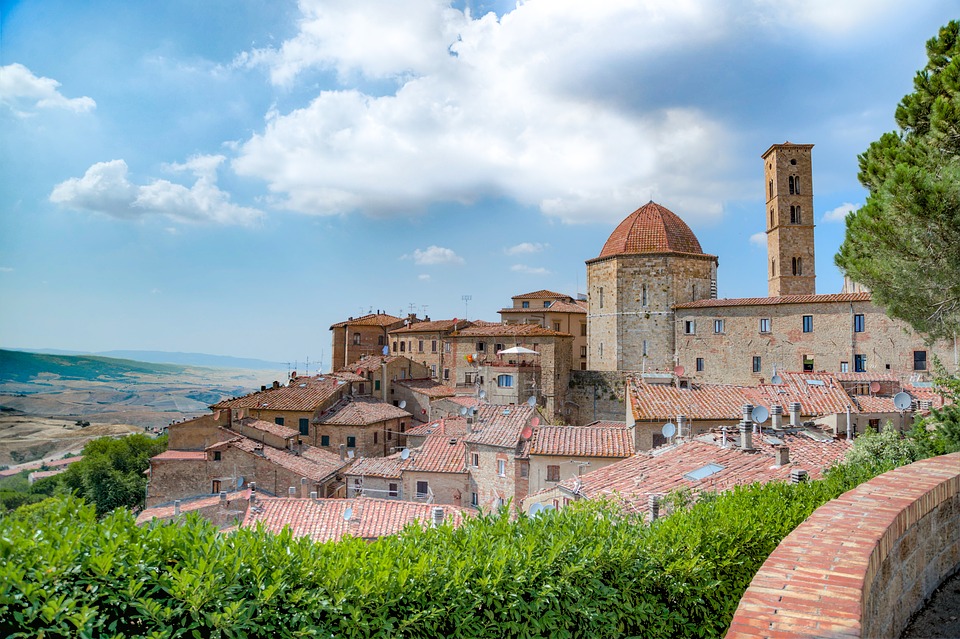
Volterra – Volterra is a walled mountaintop town in the province of Pisa dating as far back as the 8th century BC. Volterra, also known as the city of alabaster, was one of the “twelve cities” of the ancient Etruscan League. The city was a bishop’s residence in the 5th century and in the Middle Ages an important episcopal power having jurisdiction over a large part of the Tuscan hills. Today it preserves a remarkable historical centre of Etruscan origin with Roman ruins and medieval buildings such as the Cathedral, the Medici Fortress and the Palazzo dei Priori on the square of the same name.
Chianti Castles Route – Developed and promoted by the comune of Gaiole, there are 6 itineraries you can choose from to tour some of the numerous castles and monasteries in the area. As an example, either by car, motorcycle, or bicycle, you can follow SS 408 as it winds through the Chianti hills to six different castles. There is the Cacchiano Castle, Brolio Castle, Meleto Castle, Castagnoli Castle, Montegrossi Castle, and Coltibuono Monastery. The first three castles belonged to the Ricasoli family, as did our beautiful villa.